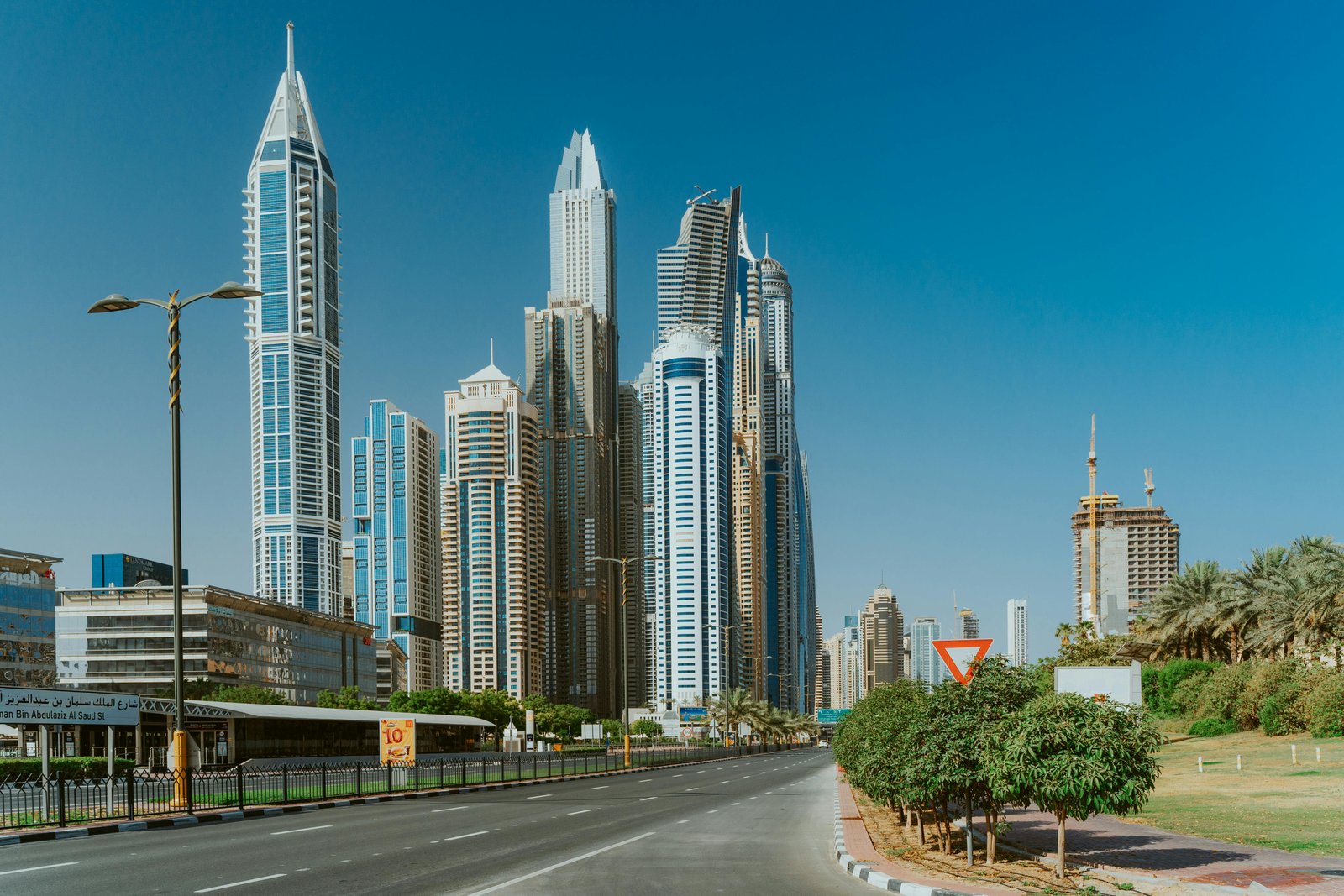
The Future of Smart Infrastructure in the GCC
The Gulf Cooperation Council (GCC) region
is undergoing one of the most ambitious
infrastructure transformations in the world. From the towering skylines
of Dubai to the futuristic vision of Saudi Arabia's NEOM, the GCC is not just
building structures — it is engineering the future.
At the heart of this transformation lies smart infrastructure: a convergence of artificial intelligence, IoT (Internet of Things),
automation, and sustainable engineering that is redefining how cities,
buildings, and systems operate. For businesses and governments across the UAE,
Saudi Arabia, Qatar, and beyond,
smart infrastructure is no longer a luxury — it is a strategic necessity.
In this blog, we explore
the key trends, technologies, and opportunities shaping
the future of smart
infrastructure across the GCC.

What Is Smart
Infrastructure?
Smart infrastructure refers to the integration of advanced digital
technologies into physical
systems
— buildings, roads, power grids,
water networks, and communication systems
— to make them more
efficient, responsive, and sustainable.
Unlike traditional infrastructure, smart infrastructure collects real-time data through sensors
and IoT devices, uses AI and machine learning to analyze and
optimize performance, enables remote monitoring and automated control, reduces
energy consumption and operational costs, and
improves safety, security, and user experience.
For the GCC, where extreme
climate conditions, rapid
urbanization, and ambitious national visions
intersect, smart infrastructure offers a powerful path forward.
Smart infrastructure GCC
The GCC region
has several unique
advantages that position
it as a global leader
in smart infrastructure
adoption.
1. Bold National Visions Saudi Arabia's Vision 2030, UAE's We the UAE
2031, and Qatar's National Vision 2030 all prioritize digital transformation, sustainable development, and smart city
initiatives. These government-backed frameworks are driving massive investment
in intelligent infrastructure across the region.
2. Significant Capital Investment The GCC governments collectively invest hundreds of billions
of dollars in infrastructure annually. A growing portion
of this investment is directed
toward smart, connected
systems — from intelligent transportation networks to AI-powered utility management.
3. Young, Tech-Savvy Population With one of the world's highest
smartphone penetration rates and a digitally native younger
generation, the GCC has a ready market for smart solutions that demand
seamless, connected experiences.
4. Ambition to Diversify Economies As GCC nations
work to reduce
dependence on oil revenues,
technology-driven sectors — including smart construction, proptech, and digital
infrastructure — are emerging as key pillars of economic diversification.

Key Technologies Driving Smart Infrastructure in the GCC
1.
Artificial Intelligence (AI) and Machine
Learning
AI
is the brain behind smart infrastructure. In the GCC, AI is being deployed to predict infrastructure maintenance
needs before failures occur, optimize energy consumption in large commercial buildings, manage traffic flow in real time across smart city networks, and enhance
security through intelligent surveillance and access control systems.
AI-powered building management systems can reduce
energy costs by up to 30%, a critical
advantage given the region's high cooling demands.
2. Internet of Things
(IoT)
IoT devices — sensors, smart meters, connected cameras, and environmental monitors — form the nervous system of smart infrastructure. Across GCC cities, IoT is enabling real-time monitoring of structural health in bridges and buildings, smart water management to reduce waste in arid
environments, connected
parking and mobility
systems, and intelligent street lighting that adjusts
based on occupancy and time.
3.
Building Information Modeling (BIM)
and Digital Twins
Digital twins — virtual replicas of physical infrastructure — allow engineers and facility managers to simulate, monitor, and optimize assets in real time. Combined with BIM, digital twins enable GCC developers to identify design inefficiencies before construction begins, monitor building performance throughout its lifecycle, reduce operational downtime through predictive insights, and support sustainability reporting and compliance.
4. Smart infrastructure
In a region
where temperatures can exceed 45°C, intelligent HVAC systems are essential. Modern smart HVAC solutions use AI to learn occupancy patterns, adjust cooling
loads automatically, and integrate with renewable energy
sources — dramatically reducing energy consumption and carbon emissions.
5.
Extra Low Voltage (ELV) Systems
ELV systems — including CCTV, access control, fire alarms, building
automation, and structured cabling — are the connective tissue of smart buildings. In the GCC's rapidly expanding commercial and residential developments, integrated ELV systems
ensure that buildings are not only smart but also safe, secure, and compliant
with international standards.
Real-World Applications Across the GCC
Dubai: The Smart City
Blueprint Dubai has consistently ranked among the
world's top smart cities. The city's Smart Dubai initiative has integrated AI, blockchain, and IoT across government
services, transportation, healthcare, and real estate.
Dubai's buildings increasingly feature intelligent
energy management, automated access control, and connected facility management
systems.
Saudi Arabia:
NEOM and Beyond
NEOM — Saudi
Arabia's $500 billion
futuristic megacity — represents the most ambitious smart
infrastructure project in human history. Designed entirely around AI, renewable energy, and autonomous
systems, NEOM is a living laboratory for next- generation smart infrastructure
concepts that will eventually influence developments across the entire region.
Qatar: Smart
Infrastructure for a Sustainable
Future Qatar's preparation for major global events
accelerated investment in smart stadiums, intelligent transportation, and
connected hospitality infrastructure. These investments continue
to shape the country's broader
smart city strategy as it
pursues its National Vision 2030.
The Role of Expert Partners
in Smart Infrastructure
Implementing smart
infrastructure is complex.
It requires deep expertise across
multiple disciplines
— from AI and IoT to MEP engineering, ELV systems, interior
contracting, and facility management. Businesses and developers in the GCC need trusted
partners who understand both the technical
landscape and the regional context.
At Experts Group International, we bring together specialized capabilities
across technology integration, infrastructure engineering, ELV systems, smart HVAC, and interior contracting — helping our clients build, manage, and optimize smart
environments that are future-ready.
Whether you are developing a commercial tower in Dubai, a mixed-use
project in Riyadh, or a hospitality facility in Doha, our integrated approach
ensures that every system works in harmony
— delivering efficiency, sustainability, and long-term value.
Challenges and the Path Forward
Despite
the tremendous momentum, smart infrastructure adoption in the GCC faces several
challenges. Cybersecurity risks mean that connected systems
create new vulnerabilities that must be proactively managed. Integration complexity
means that bringing together multiple technologies and vendors requires careful
planning and coordination. Talent gaps mean that specialized skills in AI, IoT,
and smart systems engineering remain in high demand. And regulatory frameworks for smart buildings and cities are
still evolving across the region.
Addressing these challenges requires a strategic, phased approach — starting with the right infrastructure foundation and
partnering with experienced, multi-disciplinary experts.

Conclusion
The future of smart infrastructure in the GCC is not a distant
vision — it is unfolding
right now. Across the region, intelligent buildings, connected cities,
and AI-powered systems
are reshaping how people live,
work, and do business.
For developers, investors, and enterprises, the message is clear: the time to invest in smart infrastructure is now. Those who embrace intelligent systems today will be positioned to lead the markets of tomorrow.
Ready to Build Smarter? Contact Experts
Group International today to explore
how our integrated infrastructure, technology, and contracting
expertise can help you design, build, and manage smart environments across the
GCC.
More info -
www.expertsgroupintl.com