AI in Commercial Real Estate: How AI is Revolutionizing GCC Properties
Introduction
The commercial real estate industry is evolving faster than ever, and artificial intelligence is one of the biggest reasons behind this transformation. For years, the sector relied heavily on traditional management systems, manual operations, and historical market analysis. Today, AI is changing how commercial properties are designed, managed, maintained, and experienced.
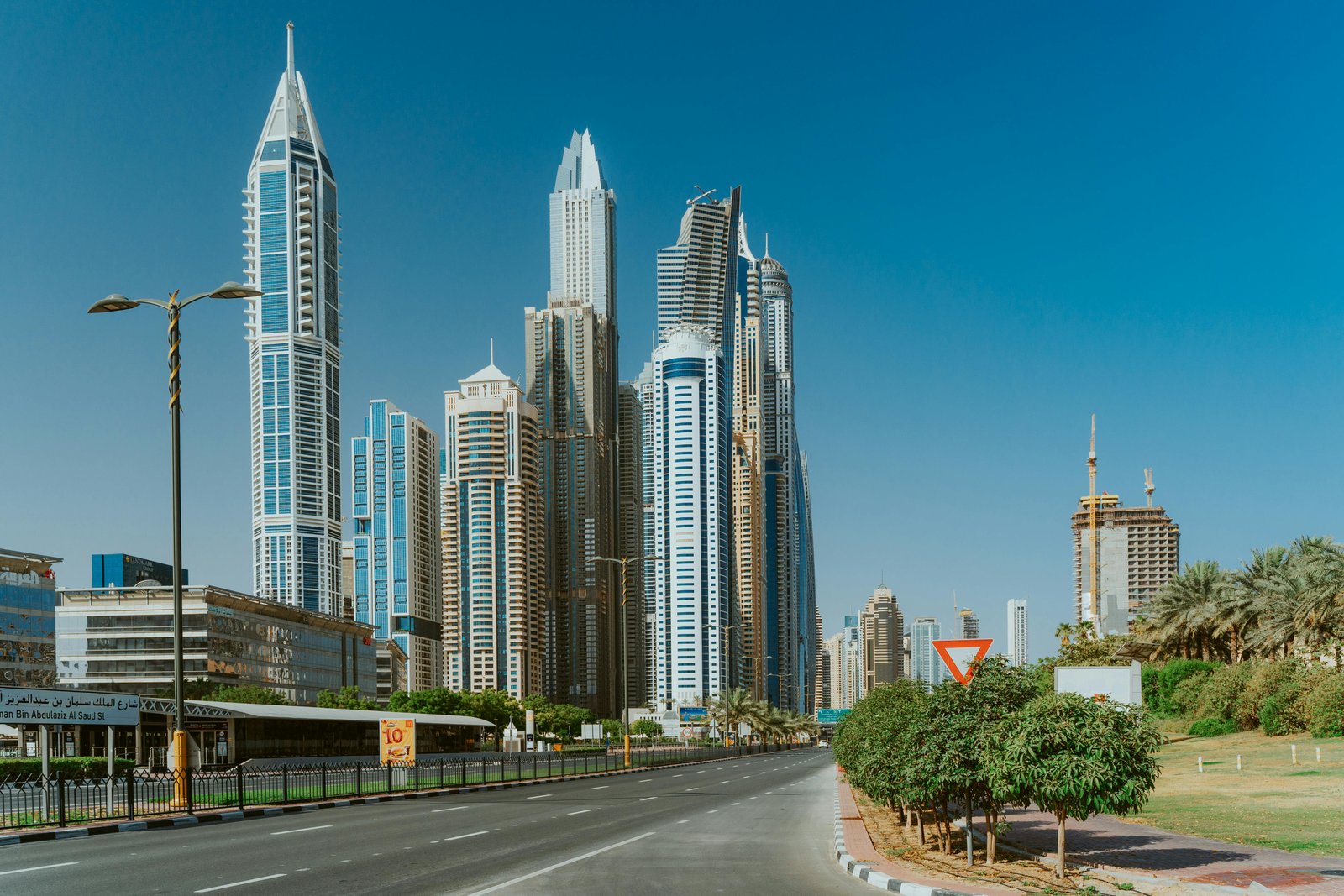
Across the GCC region, especially in the UAE and Saudi Arabia, AI is becoming an essential part of modern real estate development. From intelligent office towers in Dubai to rapidly growing business hubs in Riyadh, property developers and investors are embracing AI-driven solutions to improve efficiency, reduce operational costs, and deliver better experiences for tenants.
Artificial intelligence is no longer viewed as a futuristic concept. It is now a practical technology that is actively helping commercial real estate companies make smarter decisions and create more valuable properties.

AI in Commercial Real Estate Property Management
Managing commercial properties can be extremely complex. Property managers must handle tenant communication, maintenance operations, security systems, lease tracking, utility management, and compliance requirements all at the same time.
Artificial intelligence is simplifying many of these responsibilities through smart property management platforms. AI-powered systems can automate routine tasks such as maintenance scheduling, tenant support, invoice tracking, and lease reminders. This allows property managers to focus more on strategic planning and customer relationships instead of manual administrative work.
Many commercial buildings in the GCC are now using AI to monitor energy usage, occupancy levels, and system performance in real time. Smart systems can automatically adjust lighting, cooling, and ventilation based on building activity, helping reduce unnecessary energy consumption.
In large mixed-use developments and corporate towers, these improvements can generate significant operational savings while also improving tenant satisfaction.
Predictive Maintenance and Smart Building Operations
One of the most valuable applications of AI in commercial real estate is predictive maintenance. Traditional maintenance systems are reactive, meaning problems are fixed only after equipment fails. This often leads to unexpected downtime, expensive repairs, and disruptions for tenants.
AI changes this approach completely.
Modern buildings now use IoT sensors connected to AI systems that continuously monitor equipment performance. These systems collect data from HVAC units, elevators, electrical networks, water systems, and other critical infrastructure.
If the AI detects unusual patterns or signs of potential failure, it immediately alerts facility managers before the issue becomes serious. This allows teams to perform maintenance early and avoid major breakdowns.
For GCC countries where cooling systems operate almost continuously because of high temperatures, predictive maintenance is especially important. Smart HVAC monitoring helps reduce energy waste, improve efficiency, and extend the lifespan of expensive equipment.

AI-Powered Investment Forecasting
Artificial intelligence is also transforming how investors analyze commercial real estate opportunities. Traditionally, investment decisions were based on market reports, historical performance, and personal experience. While these methods are still important, AI adds a much deeper level of analysis.
AI-powered platforms can process thousands of data points within seconds. These include property trends, rental demand, infrastructure development, population growth, economic activity, and consumer behavior patterns.
Using predictive analytics, AI can help investors identify high-potential locations, forecast future property values, and evaluate investment risks more accurately.
In fast-growing cities like Dubai, Abu Dhabi, and Riyadh, market conditions can change rapidly because of new developments and infrastructure projects. AI-driven forecasting helps investors make more informed decisions in highly competitive environments.
This technology is becoming increasingly valuable for developers, real estate firms, and institutional investors looking to maximize returns while reducing uncertainty.
Enhancing the Tenant and Customer Experience
AI is not only improving operations behind the scenes — it is also transforming the experience for tenants, visitors, and clients.
Many commercial properties now use AI-powered chatbots to answer inquiries, schedule appointments, and provide instant support 24 hours a day. Virtual property tours powered by AI and smart visualization tools allow potential tenants to explore office spaces remotely before visiting in person.
Inside smart buildings, AI can personalize the environment based on user preferences. Intelligent systems can automatically control lighting, temperature, security access, and visitor management processes to create a more seamless experience.
Buildings that offer advanced smart features often achieve higher tenant retention rates because occupants enjoy better comfort, convenience, and security.
As customer expectations continue to rise across the GCC, AI-enabled commercial properties are quickly becoming more attractive to businesses and corporate tenants.

Conclusion
Artificial intelligence is reshaping the future of commercial real estate across the GCC. From smarter property management and predictive maintenance to advanced investment forecasting and enhanced tenant experiences, AI is creating more efficient, profitable, and sustainable commercial properties.
As technology continues to advance, AI will become even more integrated into every aspect of the real estate industry. Developers, investors, and property managers who adopt intelligent solutions today will be better prepared for the demands of tomorrow’s market.
For commercial real estate businesses across the UAE, Saudi Arabia, and the wider GCC region, embracing AI is no longer optional — it is a competitive advantage for the future.