
ELV Systems UAE: Why ELV Systems Are Essential for Modern Buildings
The Backbone of Smart Buildings: Why ELV Systems Are Essential for Modern Commercial Properties
Introduction
Modern commercial buildings are becoming smarter, more connected, and more technology-driven than ever before. Today’s buildings are expected to provide not only comfort and functionality but also high levels of security, automation, communication, and energy efficiency. Behind all these advanced capabilities lies one essential component — ELV systems.
Extra Low Voltage (ELV) systems form the technological backbone of modern buildings. From CCTV surveillance and access control to fire alarm systems and building automation, ELV infrastructure helps commercial properties operate smoothly, safely, and efficiently.
Across the GCC region, especially in countries like the UAE and Saudi Arabia, the demand for intelligent buildings is growing rapidly. Commercial towers, hotels, hospitals, malls, and mixed-use developments now rely heavily on integrated ELV systems to support daily operations and deliver better experiences for occupants.
As buildings continue to evolve, ELV systems are no longer considered optional features. They have become a critical requirement for modern infrastructure development.
What Are ELV Systems in the UAE?
ELV stands for Extra Low Voltage systems. These systems operate at lower electrical voltages compared to traditional power systems and are mainly used for communication, security, monitoring, and automation purposes.
ELV systems allow different technologies inside a building to work together in an integrated and intelligent way. Instead of operating separately, systems can communicate and share data to improve efficiency and control.
Common ELV systems found in commercial buildings include:
CCTV and video surveillance systems
Access control and biometric systems
Fire detection and alarm systems
Structured cabling and data networks
Public address and voice evacuation systems
Building Management Systems (BMS)
Audio-visual and conference room systems
Intercom and communication systems
Together, these technologies create a smarter and more connected building environment.
ELV Systems for Enhanced Security and Safety in the UAE
One of the biggest advantages of ELV systems is improved building security. Commercial buildings often accommodate hundreds or even thousands of employees, visitors, and tenants every day. Maintaining safety in such environments requires advanced monitoring and access control solutions.
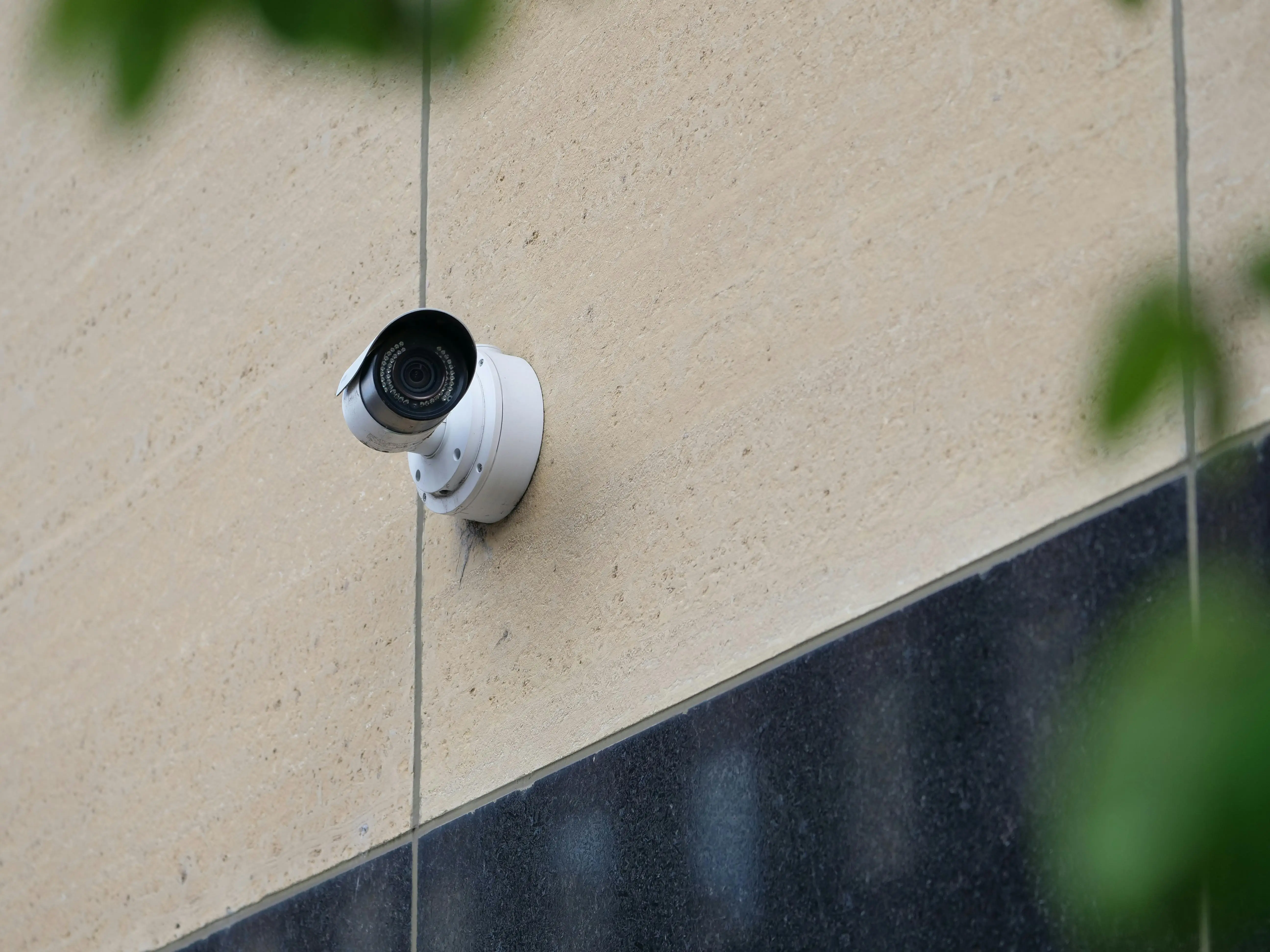
Integrated CCTV systems help monitor all areas of a property in real time, while access control systems ensure that only authorized individuals can enter restricted zones. Many modern buildings also use biometric systems, smart cards, and facial recognition technologies for higher security levels.
AI-powered surveillance systems can even identify suspicious behavior and send instant alerts to security teams. This allows faster response times and better threat prevention.
In the GCC, where large commercial developments and hospitality projects continue to expand rapidly, strong ELV security infrastructure has become a necessity rather than a luxury.

Better and Connectivity
Efficient communication is essential in any modern building. ELV systems provide the digital infrastructure needed to support high-speed connectivity and seamless communication across different departments and facilities.
Structured Cabling: Allows stable internet and network connectivity throughout the building.
Public Address Systems: Help deliver important announcements during emergencies or daily operations.
Intercom Systems: Improve visitor management and internal communication.
Audio-Visual Systems: Integrated into conference rooms and shared spaces to support meetings, presentations, and remote collaboration.
Without a properly designed ELV communication network, even the most modern building may struggle to operate efficiently in today’s fast-paced business environment.
ELV Systems UAE and Building Automation
ELV systems play a major role in building automation. Smart buildings use centralized platforms known as Building Management Systems (BMS) to control and monitor various functions such as lighting, HVAC systems, security, and energy consumption.
Through automation, facility managers can monitor all building systems from a single interface and make real-time adjustments when necessary. Smart systems can automatically reduce lighting and cooling in unused areas, helping lower electricity consumption and operational costs.
This is especially important in GCC countries where cooling systems consume significant amounts of energy because of extreme weather conditions. Automated ELV infrastructure not only improves energy efficiency but also creates a more comfortable environment for occupants.

Compliance and Life Safety
ELV systems are also critical for life safety and regulatory compliance. Fire alarm systems, emergency communication systems, and voice evacuation technologies help protect lives during emergencies.
Across the UAE and other GCC countries, strict civil defense regulations require commercial properties to install certified fire detection and emergency response systems. A professionally designed ELV system ensures that buildings comply with safety standards while also improving emergency preparedness and response capabilities.
Choosing the Right ELV Systems UAE Partner
Installing ELV systems requires technical expertise and careful planning. Poorly designed systems can lead to security risks, connectivity issues, operational failures, and expensive maintenance problems.
An experienced ELV contractor understands how to design integrated systems that work efficiently together. They also ensure compliance with local regulations and use certified equipment that meets international quality standards. Choosing the right partner is essential for achieving long-term reliability, performance, and scalability.
Conclusion
ELV systems have become the invisible backbone of modern commercial buildings. They improve security, enable communication, support automation, enhance energy efficiency, and ensure life safety compliance.
As the GCC continues to invest in smart infrastructure and advanced commercial developments, the importance of reliable ELV systems will continue to grow. For developers, property owners, and facility managers, investing in high-quality ELV infrastructure is one of the smartest decisions for creating future-ready buildings that are safe, efficient, and technologically advanced.